Cancer treatment can involve long hours in a clinical setting. For many patients, the experience is not only about the treatment itself, but also about where they receive it, who is around them, how comfortable they feel and whether they have enough privacy.
This is where patient-centred cancer care becomes important. A well-designed cancer day care setting brings together medical supervision with an environment that respects the patient's comfort, dignity and individual needs.
A thoughtful treatment environment can make a meaningful difference to the overall experience through:
- Greater privacy: Individual spaces allow patients to discuss personal concerns and receive treatment with greater discretion.
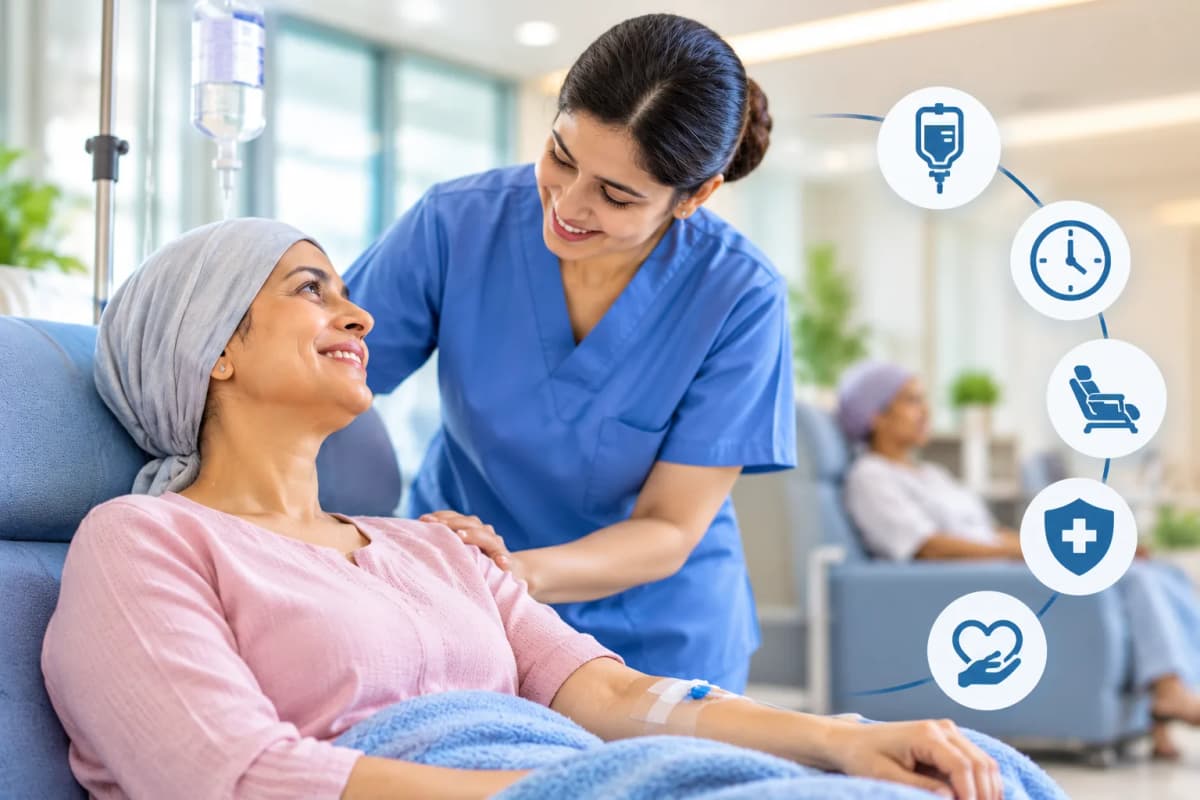
- Physical comfort: Recliners, private suites and suitable treatment spaces can make longer sessions easier to manage.
- Personal attention: Dedicated nursing support allows patients to ask questions and communicate concerns throughout treatment.
These elements do not replace clinical expertise. Rather, they complement it by making the treatment experience more considerate and responsive to the person receiving care.
Why the Treatment Environment Matters
A day-care treatment session can last several hours, depending on the therapy. Chemotherapy, immunotherapy, targeted therapies and supportive infusions may require patients to spend considerable time at the centre. During this time, even simple details can shape the treatment experience.
- Comfortable recliners can make longer sessions easier.
- Individual spaces can offer greater privacy for treatment and conversations.
- Easy access to nurses allows patients to raise concerns promptly.
- A quieter, well-organised setting can make the overall experience more comfortable.
Comfort is not simply an added facility. It is part of creating a treatment environment that respects the patient's dignity while maintaining appropriate clinical care.
Privacy Is About More Than Physical Space
Privacy during cancer treatment has several dimensions. It includes physical privacy, but also the privacy of conversations, medical information and personal decisions.
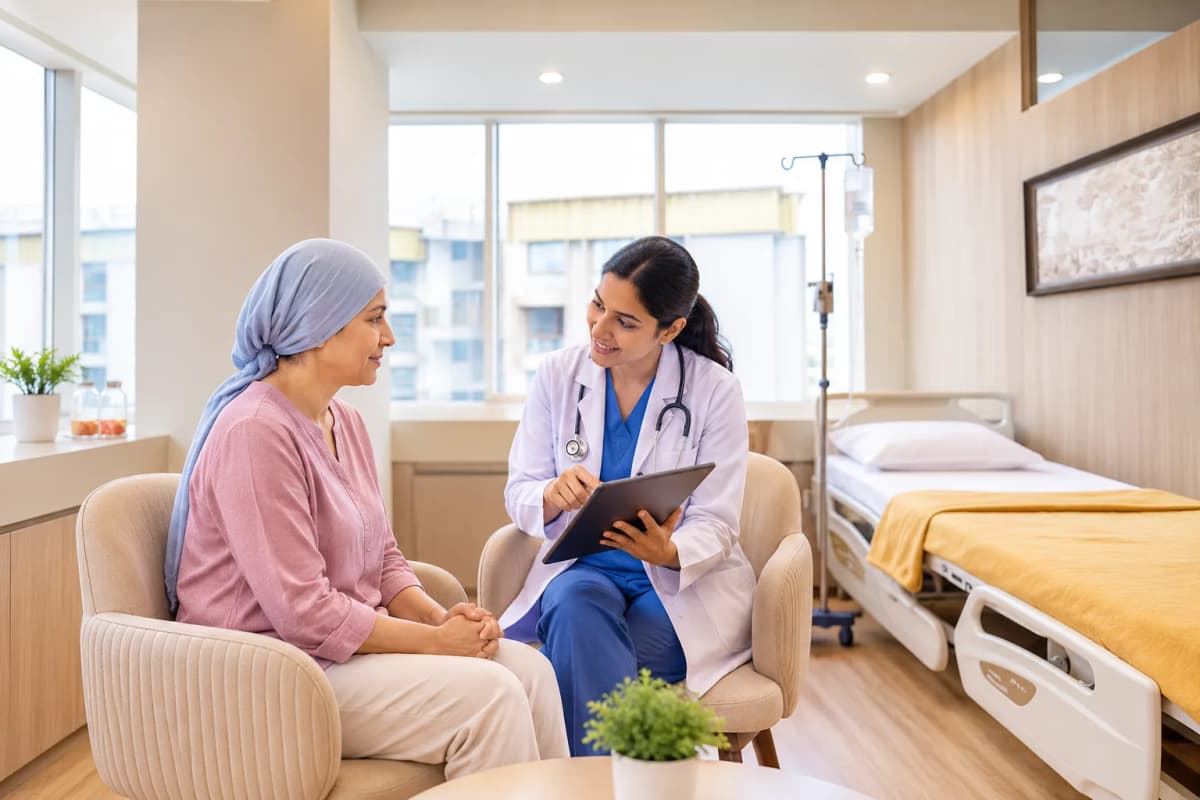
Patients may need to discuss sensitive symptoms, treatment concerns or family matters with their oncologist or nurse. Having that conversation in an appropriate private setting can make it easier to speak openly.
Good communication is an important part of modern oncology care. Clear communication between patients, families and healthcare teams can help people understand their treatment options, build trust and support quality of life.
A private environment can support this communication in practical ways:
- Confidential conversations: Patients can discuss symptoms, side effects and concerns without feeling that others are listening.
- Personal dignity: Individual treatment spaces reduce unnecessary exposure during clinical procedures.
- Family involvement: When appropriate, private spaces can make it easier for a family member or caregiver to participate in discussions.
Privacy is not about isolating patients. It is about giving them control over when they want interaction and when they need personal space.
What Does Patient-Centred Oncology Care Look Like?
Patient-centred oncology care means looking beyond the treatment protocol and considering the individual receiving it.
Two people receiving the same therapy may have very different needs. One may prefer conversation and family involvement. Another may want quiet time during treatment. Someone receiving a longer infusion may value a private suite, while another patient may prefer a comfortable shared infusion area.
A patient-centred approach can include:
Personalised treatment planning
Treatment should be based on the patient's clinical requirements, treatment plan and individual circumstances. Treatment planning should take into account the patient's needs, preferences and overall care requirements.
Dedicated nursing support
Patients should know whom to approach if they have a question or feel uncomfortable during treatment. Day-care units commonly use dedicated nursing teams and continuous monitoring to support safe treatment delivery.
A choice of treatment spaces
Different treatment areas can serve different needs, from recliner infusion spaces for shorter treatments to private rooms for longer therapies.
Clear communication
Patients should be encouraged to ask questions and explain how they are feeling. Listening carefully, providing clear information and involving patients and their support networks can help make treatment discussions more meaningful and easier to understand.
Comfort and Clinical Care Can Work Together
There can sometimes be an assumption that a comfortable setting is separate from serious medical care. In reality, the two can exist together.
A modern day-care centre should maintain appropriate clinical safeguards while creating a calmer treatment environment. This includes specialist supervision, treatment protocols, monitoring and trained oncology nurses alongside comfortable spaces.
| Feature | What it can offer patients |
|---|---|
| Individual treatment cubicle | Greater privacy during treatment |
| Private suite | More personal space for longer therapies |
| Recliner infusion area | Comfortable positioning during shorter infusions |
| Dedicated nursing care | Easier access to clinical support |
| Continuous monitoring | Appropriate observation during treatment |
| Supportive care | Help with treatment-related symptoms and wellbeing |
A dedicated oncology day-care setting can bring these elements together, allowing patients to receive treatments such as chemotherapy, immunotherapy, targeted therapy and supportive infusions in an environment designed around their individual requirements.
How to Choose a Comfortable Cancer Day Care
When comparing treatment centres, it is worth looking beyond the location and treatment list. The environment and support available during each visit can also matter.
Ask questions such as:
- Will I have an individual treatment space or a shared area?
- Is a private room available if my treatment takes several hours?
- Who will monitor me during treatment?
- Can my caregiver stay with me when appropriate?
- What support is available if I experience treatment-related symptoms?
- Are oncology pharmacy, laboratory or supportive services available within the same care setting?
These questions can help patients understand what their treatment day may actually feel like, rather than choosing a centre based only on a list of treatments.
The Role of Holistic Support
Cancer care does not end when an infusion finishes. Patients may also need help managing symptoms, nutrition, emotional wellbeing, pain or practical concerns during their treatment journey.
This is where holistic cancer care can add another layer of support. It considers the person as a whole while keeping medical treatment at the centre of care.
Supportive care may include symptom management, nutrition guidance, pain and palliative care and other services designed to support patients alongside their primary oncology treatment.
The goal is not to make treatment feel less medical. It is to make the overall experience more responsive to the person receiving it.
What to Expect From a Private Chemotherapy Suite
For patients receiving longer infusions or those who value additional privacy, a private chemotherapy suite can provide a more personal treatment environment.
A private space may allow the patient to:
- Remain in a quieter setting during a longer session.
- Have conversations with family members or the clinical team more privately.
- Rest, read or spend time with a caregiver without the activity of a larger treatment area.
Not every patient requires a private suite, and the appropriate setting depends on the treatment plan and clinical requirements. However, having different treatment environments available allows care to be adapted to individual preferences where clinically appropriate.
A More Considerate Approach to Cancer Treatment
Good cancer care is ultimately about both clinical quality and the patient's experience of receiving that care. Expertise, treatment planning and monitoring remain essential, but so are dignity, communication, comfort and privacy.
A thoughtfully designed day-care environment can give patients a greater sense of personal space while keeping specialist oncology care close at hand. If you or someone close to you is preparing to begin or continue treatment, speak with the care team about the treatment setting, monitoring, privacy and support available before your first session.
If you are looking for a dedicated oncology day-care setting in Mumbai where clinical care is supported by comfort, privacy and personalised attention, contact IOHC to discuss your treatment requirements and plan your next step with the care team.
Frequently Asked Questions
What is patient-centred cancer care?
It is an approach that considers the patient's clinical needs alongside their preferences, concerns, comfort and communication needs.
Personalised treatment planning: Care is considered according to the individual's clinical circumstances and treatment requirements.
Open communication: Patients are encouraged to ask questions and discuss concerns with their oncology team.
Is chemotherapy day care comfortable?
A comfortable cancer treatment centre can provide recliners, individual spaces, nursing support and practical facilities that make longer treatment sessions easier to manage.
Physical comfort: Appropriate seating and a suitable treatment environment can make longer visits easier.
Practical support: Patients can ask about privacy, treatment duration and caregiver arrangements before starting therapy.
Why is privacy important during cancer treatment?
Privacy gives patients appropriate space for personal conversations, clinical procedures and sensitive discussions.
Greater dignity: Individual treatment areas can help protect personal space during treatment.
Better communication: Private settings may make it easier to discuss concerns with healthcare professionals and family members.
What treatments can be given in an oncology day-care centre?
Depending on the patient's treatment plan, an oncology day-care centre may provide chemotherapy, immunotherapy, targeted therapy and supportive infusions without requiring an overnight stay.
Treatment suitability: The type and duration of treatment depend on the patient's individual clinical requirements.
Clinical monitoring: Appropriate supervision remains important throughout the treatment session.
What is a private chemotherapy suite used for?
A private oncology treatment room can provide additional personal space for patients receiving longer treatments or those who prefer greater privacy.
Quieter environment: Patients may find it easier to rest during a longer treatment session.
Personal space: It can provide greater privacy for conversations with family members or the clinical team.
Published on Oct 13, 2026 • 8 min read